

encoded knitting
espionage, conspiracy, and textile work as a soft technology of resistance

quick updates
i have a holiday sale on paid subscriptions until december 31st. you can 50% off a paid subscription for a year here. i send out occasional memes, artwork, and more.
i have a 25% off holiday sale running now until december 31st on all items in my shop. i’m restocking some stickers that should be here by the 8th. I also have a new seasonal msr-inspired postcard
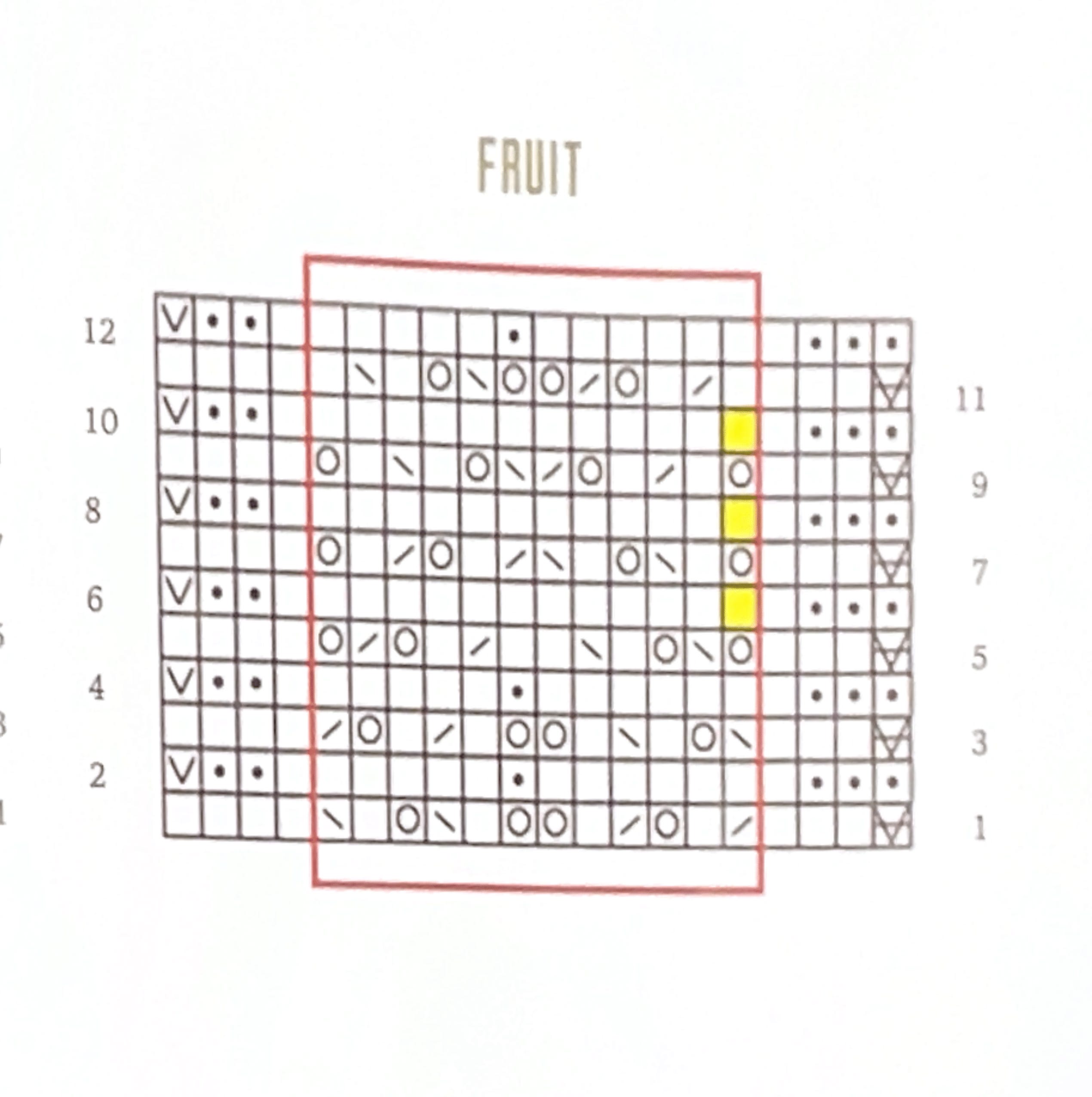
I was flipping through an old issue of Taproot1 magazine at the library recently, and I stumbled upon a knitting pattern called “Comfrey Cowl.” I’m not much of a knitter, so I was going to flip past, but I was intrigued by the article’s introductory paragraph. Pattern contributor Bristol Ivy describes the cowl’s lace design technique as a form of “encoded knitting used for covert messages throughout history and fiction.”
Her cowl code attributes yarn overs2 to numbers, which correspond to letters, forming the words “seed, shoot, bloom, and fruit.” Ivy’s pattern adds intention into the work, but only to the maker and the niche group reading the magazine’s pages.
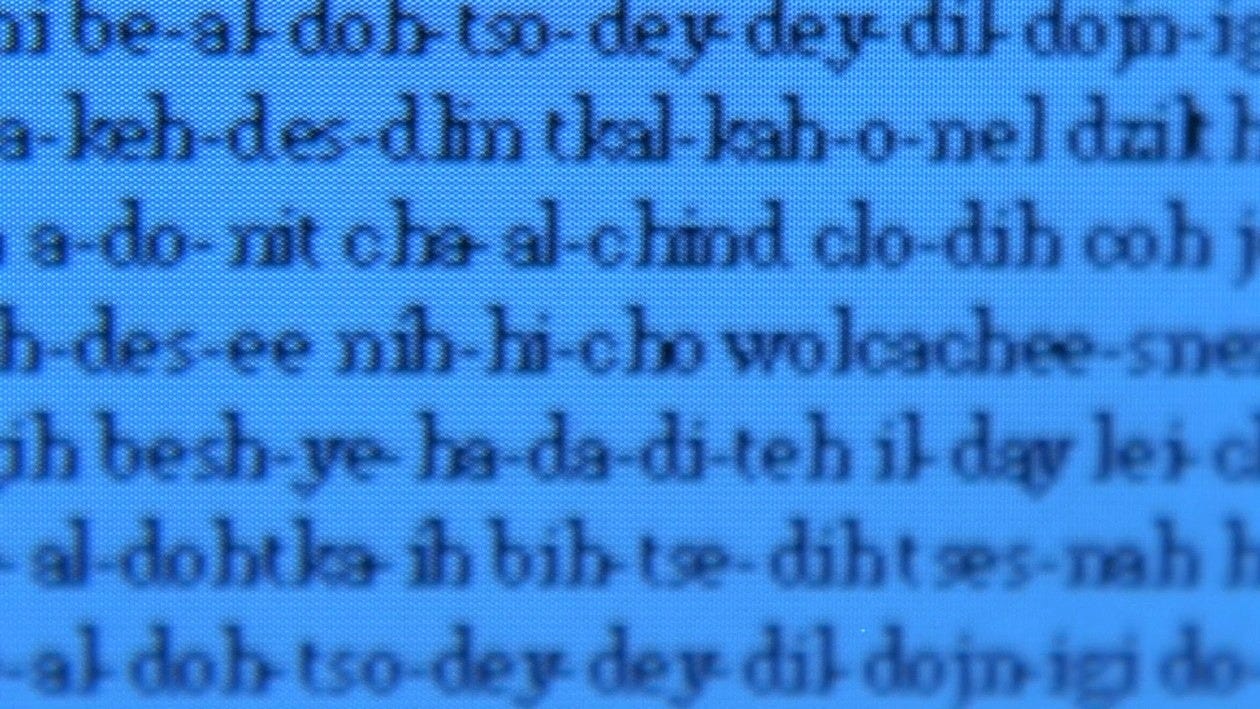
Codes are key to covert communication and conspiracy. The X-Files has multiple examples of codes used by government entities, nefarious parties, or some confusing combination of the two. In the somewhat problematic season 2 finale, “Anasazi,” Mulder discovers an encrypted digital tape of classified government files on extraterrestrial life. He believes the string of letters and dashes are gibberish, but Scully recognizes the pattern as a Navajo language-based code used by Navajo code talkers in WWII.3
Navajo, as well as other Native American, code talkers are mostly remembered as men, but there were women involved in covert political communication in WWII, as well as other wars. Women’s codes have historically included textile work, like quilting, weaving, or knitting.
People link codes with technology, such as the use of morse code in telecommunication through a series of dots and dashes. And while technology includes telegraphs, computers, or radios, it also exists through softer means. Looms, knitting needles, and drop spindles are analog tech.
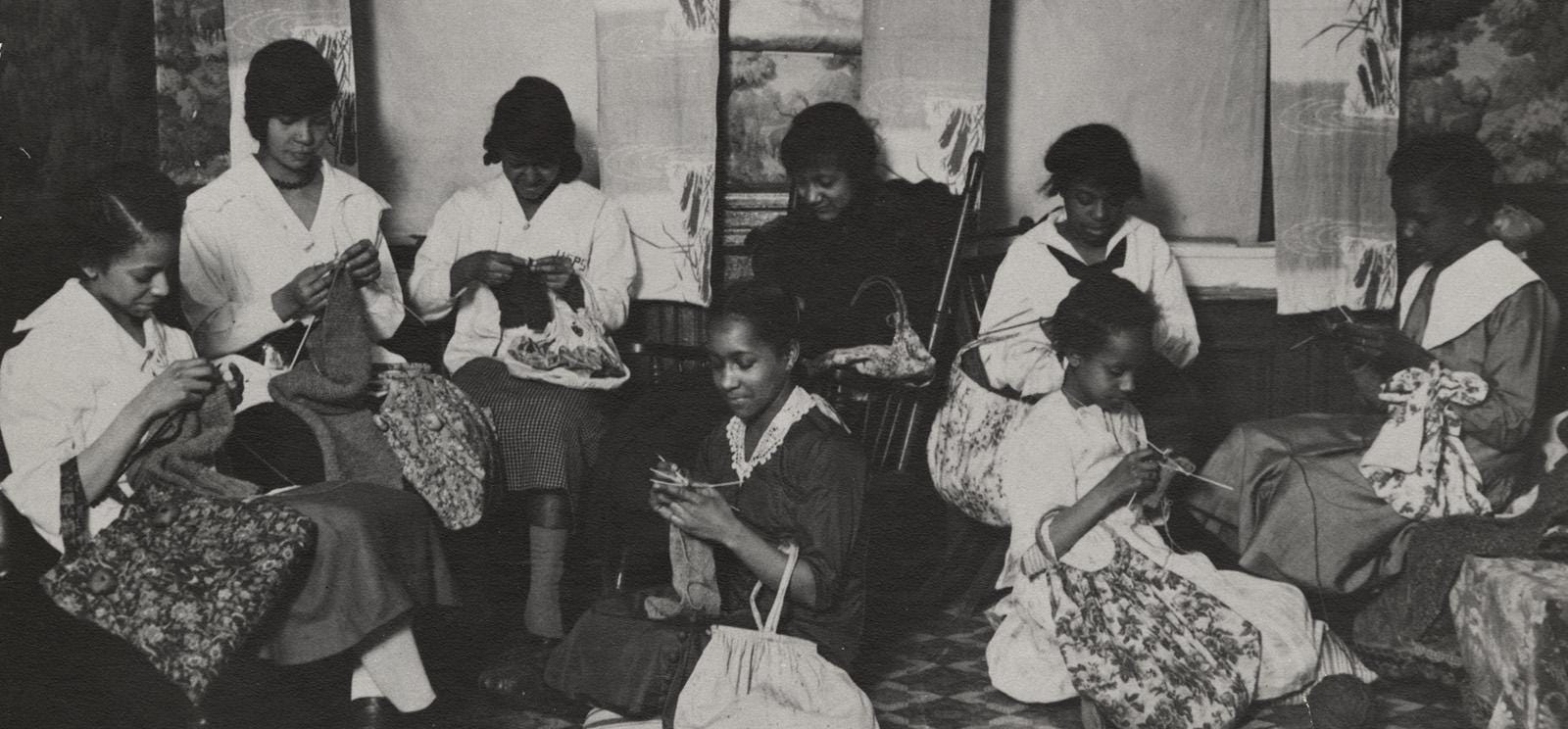
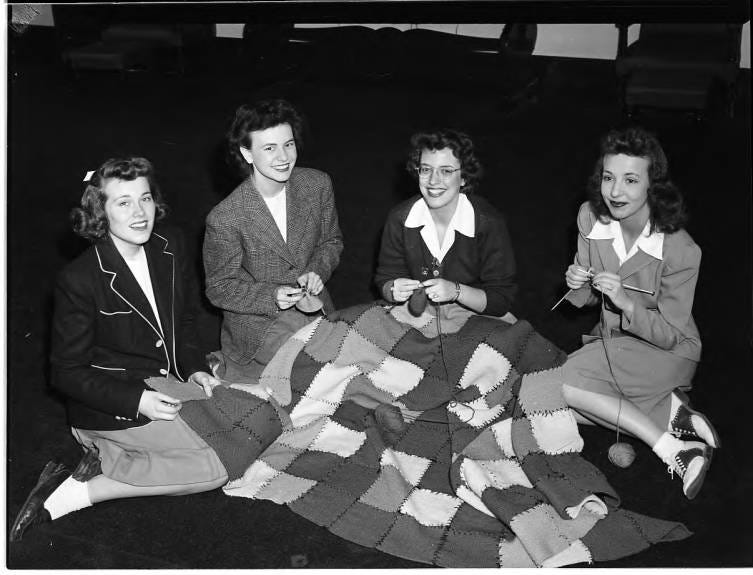
Articles from gender scholars explore “women’s work” during U.S. wartime periods, including knitting circles. The “Knit Your Bit” movement in WWI was crucial to clothing soldiers and families during a time of scarce resources. Knitting societies donated knitwear directly, but also sold their wares to donate to pertinent causes.
However, these accounts don’t delve into the (albeit, sometimes fictional) reports of knitting as a tool for espionage. As Tove Hermanson investigates in “Knitting as Dissent,” history books rarely mention figures like “Old Mom Rinker,” who, during America’s Revolutionary War, supposedly hid scraps of paper with enemy information in her knitting balls, dropping them from a high mound to troops to give to General George Washington.
Natalie Zarelli’s Atlas Obscura article details British women’s involvement in espionage during WWII. Phyllis Latour Doyle was a spy during World War II who used a pattern of dropped stitches and knit versus purl stitches to deliver encoded messages to troops in Normandy in 1944. She also hid codes in a piece of silk that she pricked with a pin to indicate a code had been sent. Morse code equipment would help the military translate her messages.
Softness can be deceptive. Military officials have dismissed women’s knitting equipment as non-threatening throughout history. This deceptive domesticity allowed women would sneak in enemy plans to troops in their knitting bags, or even to simply sit and track railroad movement of enemy forces, all while idly moving their needles.
The subversive nature of knitting, however, isn’t restricted to assisting war’s violent process. Craftivism, or activism through crafting, has risen post-9/11 as a reclamation of crafting as a powerful, political tool. Using tactics like yarn bombing, activists can communally create public installations of knit work to effect political change.
In her 2006 protest of Denmark’s involvement in the Iraq war, Marianne Jørgensen highlighted the contrast between the violence of war and knitting: “Unsimilar to a war, knitting signals home, care, closeness and time for reflection.”
Hermanson expands upon craftivism’s connective disruption of the status quo. As a form of activism, crafting makes civic engagement more accessible than traditional protesting. Planned craft markets, such as The Boston Female Anti-Slavery Society’s fairs in the mid-nineteenth century that raised money for abolitionist movements, fight against mass production and can inspire political, cultural, and social change.
Codes have their power, regardless of their use. Writing messages to my friends in elementary school using our secret codes built upon our connection, incanting spells out of paper slips tucked into backpacks. I can’t be surprised that the depth and resourcefulness of women and femme’s connection are foundational to better communities.
references
Hermanson, Tove. “Knitting as Dissent: Female Resistance in America Since the Revolutionary War.” Textiles and Politics: Textile Society of America 13th Biennial Symposium Proceedings, Washington, DC, September 18-September 22, 2012. https://digitalcommons.unl.edu/cgi/viewcontent.cgi?article=1695&context=tsaconf.
Ivy, Bristol. “Comfrey Cowl.” Taproot, 14 April 2023, pgs. 48-53.
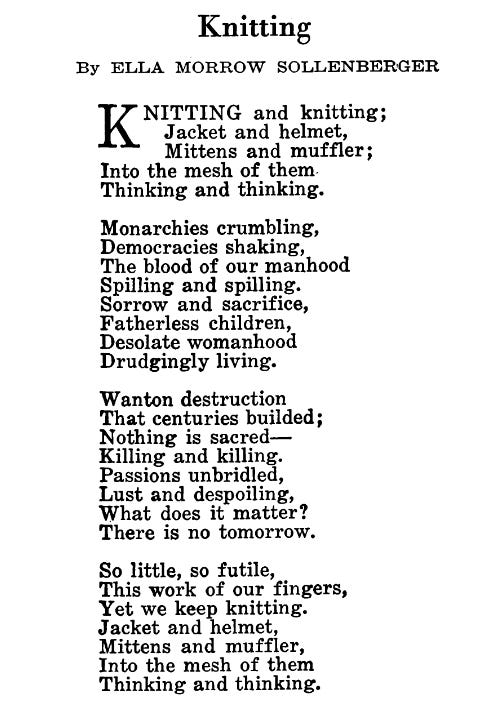
Sollenberger, Ella Morrow. “Knitting.” Current History (1916-1940), vol. 7, no. 1, 1918, pp. 145–145. JSTOR, http://www.jstor.org/stable/45327118.
The National WWI Museum and Memorial. “Knitting the Nation.” https://www.theworldwar.org/learn/about-wwi/knitting-nation.
The National WWII Museum. “American Indian Code Talkers.“ https://www.nationalww2museum.org/war/articles/american-indian-code-talkers.
Zarrelli, Natalie. “The Wartime Spies Who Used Knitting as an Espionage Tool.” Atlas Obscura, 16 March 2022. https://www.atlasobscura.com/articles/knitting-spies-wwi-wwii.
notes from the field report: things that have caught my eye recently
We Don’t Know Where We Will End Up… from Prisons, Prose & Protest made me feel surprisingly hopeful
“T Shot #9: Ode to My Sharps Container” by KB Brookins
Please please watch this Drew Gooden video
Endlessly amazed by Sarah Marshall’s brain and her podcast guests, including Sarah Archer’s Santa episode
In love with these postcard prints from Barcelona artist Adolf Rodriguez


I was saddened to find out while writing this essay that Taproot has ceased publication in 2024 due to increasing production costs
The process of adding a stitch to your row in knitting.
I barely touched on this topic, but I’d like to emphasize that while Native Americans were punished harshly for using their native languages at the same time as being recruited to assist the U.S. colonial effort
What a fascinating post! I just love how textiles have been used for political resistance through history and how women have turned society's dismissal of "domestic work" into power.
I stumbled upon Laura Sapelly who might interest you - she writes on the social and political roles of American sewing circles, which is also super fascinating!
This is absolutely fascinating. I love just stumbling upon something at the library and opening up a passage way to learn something new. Loved this!